STRATEGIC CONTEXT
Geopolitical instability, the expansion of civil nuclear energy, industrial use of radiological materials, and sustained space missions have increased both the likelihood and potential impact of exposure events. Addressing this risk requires scalable, system-level medical countermeasures designed for institutional deployment rather than isolated use cases.
Radiological risk has emerged as a cross-sector challenge affecting public health systems, energy infrastructure, defence readiness, and space operations. Governments and international institutions increasingly recognize that preparedness for radiological exposure cannot rely on fragmented, symptomatic responses.
MISSION
USIL Therapeutics addresses a critical capability gap in nuclear and radiological preparedness across defence, civilian, aerospace, and space domains.
Headquartered in Luxembourg, centrally located in Europe, USIL Therapeutics operates within a stable ecosystem spanning EU institutions, aerospace and space activities, and defence coordination, including alignment with NATO procurement frameworks such as the NATO Support and Procurement Agency.
Radiological risk spans civilian and military healthcare, emergency response, energy infrastructure, defence operations, aerospace missions, and space missions. USIL Therapeutics is developing whole-body radioprotective medical countermeasures designed for rapid, institutional deployment in support of European strategic autonomy and health sovereignty.
Our mission is to enable governments, healthcare systems, and allied institutions to protect populations before, during, and after radiological exposure events.
We develop patented, first-in-class radioprotective compounds intended for broad institutional deployment to protect populations and mission-critical personnel operating within high-risk civilian, industrial, defence, and space environments exposed to ionizing radiation.
These compounds are designed to address both acute, high-dose radiation exposure, including scenarios leading to acute radiation syndrome with hematopoietic, gastrointestinal, and multi-organ injury, as well as prolonged, lower-dose radiation exposure encountered in environments such as space missions.
€10M+ Assets
Global Reach
10+ Experts
DEVELOPMENT PIPELINE
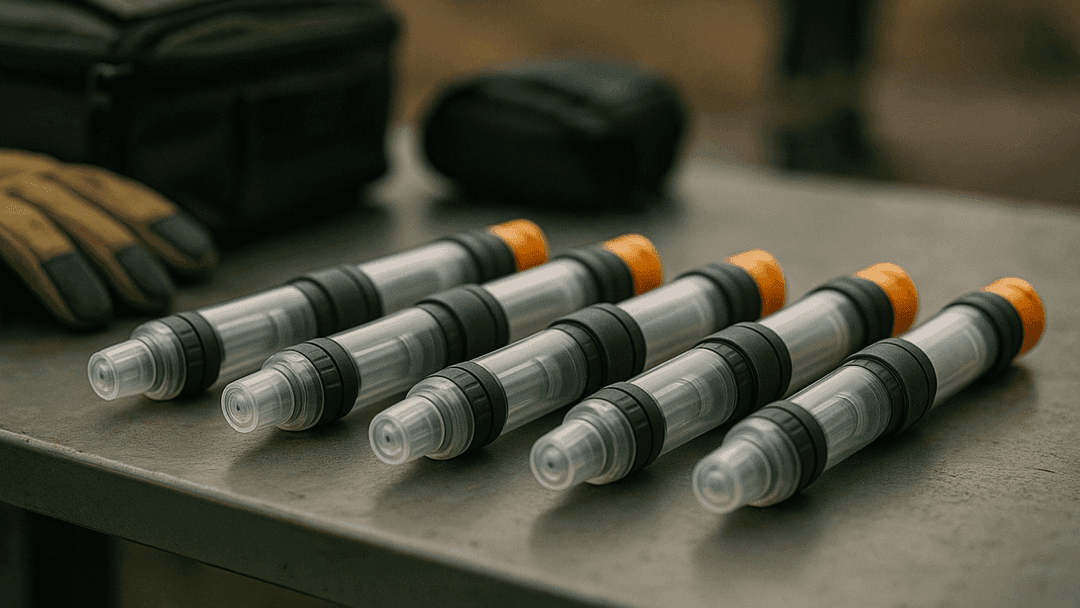
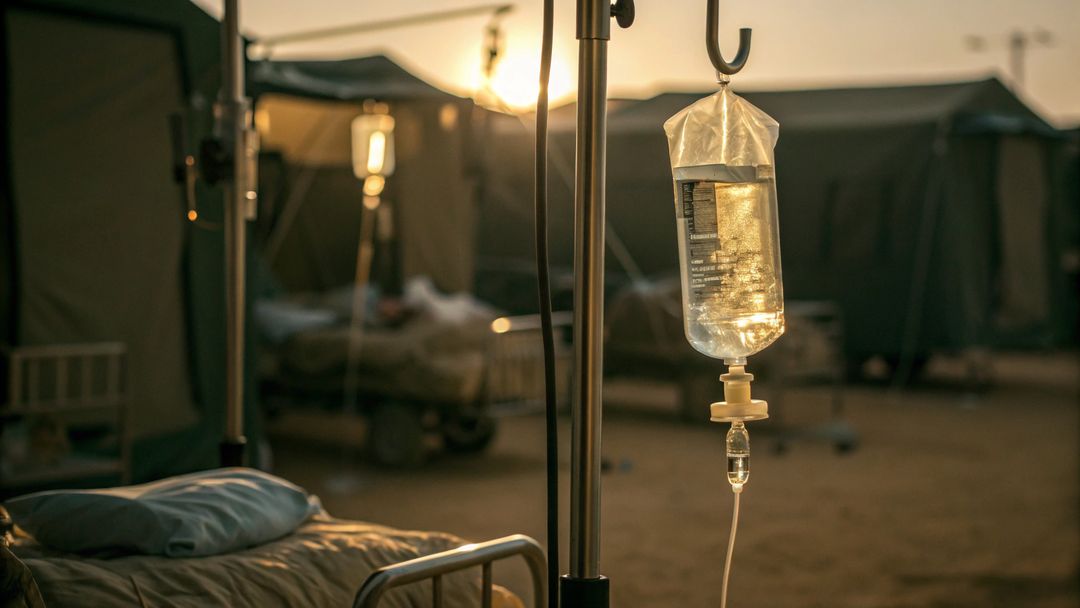
We are advancing two complementary formulations designed to address the distinct phases of ARS, spanning immediate response, hospital-based treatment, and post-event care across field deployment and clinical settings.
/
Acute Response
RAPID-RESPONSE RADIATION COUNTERMEASURE
/
PROLONGED COVERAGE
POST-EVENT RADIATION COUNTERMEASURE
/
INTEGRATED RESPONSE
Strategic Partners


















Advancing Full-Body Radioprotection Beyond Earth
Institutional Engagements

USIL Therapeutics holds two formal mandates within the European Commission’s Joint Industrial Cooperation Forum (ICF), an industry platform established to support EU preparedness and response capabilities for serious cross-border health threats. The ICF operates under the authority of the European Health Emergency Preparedness and Response Authority (HERA).
Through its participation, USIL Therapeutics contributes to ICF working groups addressing supply-chain resilience and manufacturing readiness, as well as innovation, access, and strategic preparedness for medical countermeasures, supporting the implementation of the EU Medical Countermeasures Strategy.
USIL Therapeutics' TESAR project, coordinated by USIL in consortium with the French Alternative Energies and Atomic Energy Commission (CEA), has been awarded a multi-million EUR grant and the STEP (Sovereignty) Seal by the European Commission under the EU4Health Programme (HERA), scoring 93/100 in evaluation by an international panel of independent experts. TESAR delivers the first universal medical countermeasure for acute radiation syndrome fully developed and manufactured within Europe, addressing a capability gap with no approved whole-body equivalent globally. The STEP Seal classifies the project as a strategic technology under the European Commission's sovereignty framework.

USIL Therapeutics is a selected participant in the European Defence Fund Resilience 2026 work programme and the EUDIS Business Accelerator Cohort 2, backed by the European Commission's Directorate-General for Defence Industry and Space (DG DEFIS). These selections position USIL as one of the few companies simultaneously embedded in multiple EDF initiatives, providing structured access to EU defence procurement channels, ministries of defence, and NATO-aligned stakeholders across Europe.

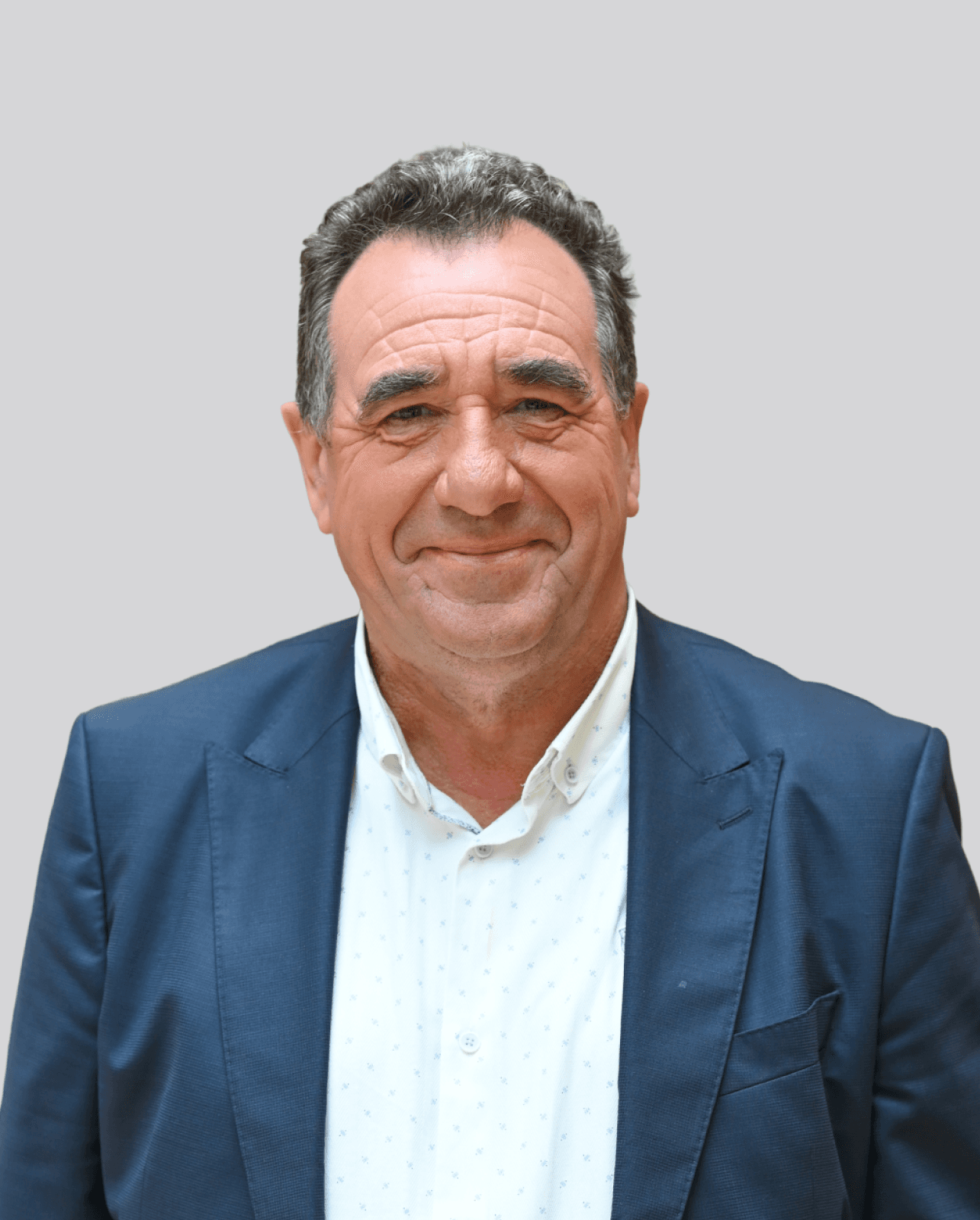











USIL Therapeutics is building a foundational capability for radiological preparedness across defence and civilian frameworks. Delivering this capability at scale requires close collaboration across public institutions, regulators, industrial partners, and operational stakeholders.
With patented assets, validated scientific foundations, and regulatory pathways aligned with healthcare and emergency-use mechanisms, USIL Therapeutics partners with governments, institutions, and long-term stakeholders to enable scalable, dual-use medical countermeasures in a high-impact but historically underprepared risk domain.
Headquartered in Luxembourg, at the intersection of European health, security, and space ecosystems, USIL Therapeutics is positioned for cross-border collaboration, institutional integration, and long-term preparedness at scale.
LITERATURE
Selected Publications
The following publications illustrate scientific contexts related to radioprotective mechanisms and oxidative stress mitigation.
Hydrogen Sulfide Metabolism and Pulmonary Hypertension
This review highlights the role of hydrogensulfide (H₂S) as a key regulator of vascular remodeling, inflammation, andoxidative stress in pulmonary hypertension (PH). It shows how disrupted H₂Smetabolism affects KATP channel activity and hypoxia responses, identifying H₂S supplementation as a promising antioxidative and vasoprotective therapy.
Inhibition of NF-κB Activation in Human T-Cell Lines by Anetholdithiolthione
This study demonstrates thatanetholdithiolthione (ADT), a pro-glutathione antioxidant, inhibits NF-κBactivation in human T-cells under oxidative and inflammatory stress. ADT reduced lipid peroxidation, boosted glutathione levels, and showed a protective redox-modulating effect, highlighting its potential in HIV and oxidative stress–related disorders.
Targeting Human Lung Adenocarcinoma with a Suppressor of Mitochondrial Superoxide Production
This preclinical study shows that AOL, amitochondrial ROS suppressor (S1QEL), reduces tumor growth in human lung adenocarcinoma by lowering ROS without affecting complex I activity. AOL reprograms cancer metabolism, suppresses the Warburg effect, and modulates NDUFV1, its identified binding site - demonstrating a dual role in REDOX controland cancer signaling.
Effects of OP2113 on Myocardial Infarct Size and No Reflow in a Rat Myocardial Ischemia Reperfusion Model
This study highlights the cardioprotective effects of OP2113, a mitochondrial ROS–modulating compound, in a ratischemia/reperfusion model. OP2113 reduced mtROS generation, preserved ATPlevels, and significantly lowered infarct size and no-reflow area withoutaffecting hemodynamics, supporting its potential as a mitochondrial-targetedtherapy for myocardial injury.
An old medicine as a new drug to prevent mitochondrial complex I from producing oxygen radicals
This study identifies OP2113 as the first approved drug to selectively inhibit mitochondrial ROS production at the IQ site of complex I without affecting oxidative phosphorylation. In ex vivo ratheart models, it protected cardiac tissue and preserved contractile function, highlighting its potential as a mitochondrial ROS blocker (S1QEL) for neurodegenerative and ischemia-reperfusion disorders.
Get in Touch
Whether you represent a government authority, public institution, industry partner, healthcare organization, or are simply interested in our work, we welcome your inquiry. Please share your details and a brief description of your message below. All communications are handled confidentially.